Veena Y Amblikoppa · MBA — RV Institute of Management, Bengaluru
Does Buy Now, Pay Later Help or Hurt People's Money Habits?
Summary
Methods
Disciplinary perspectives
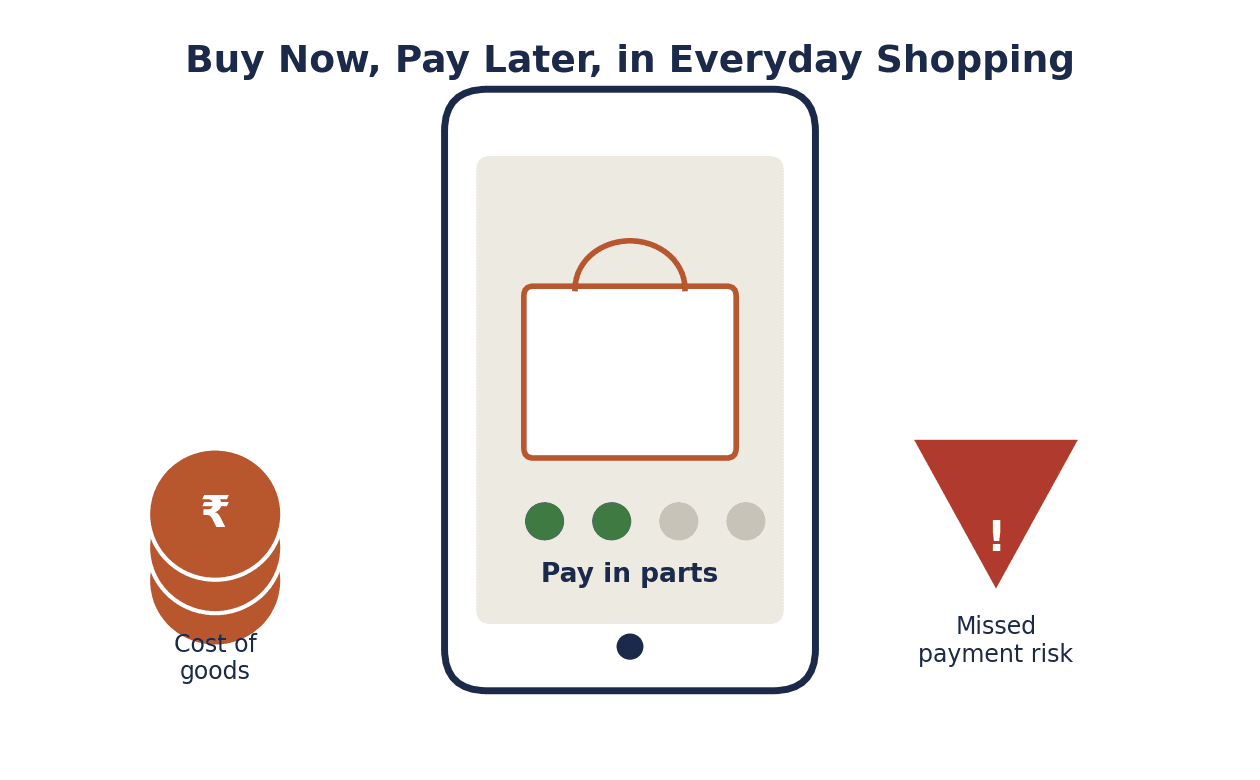
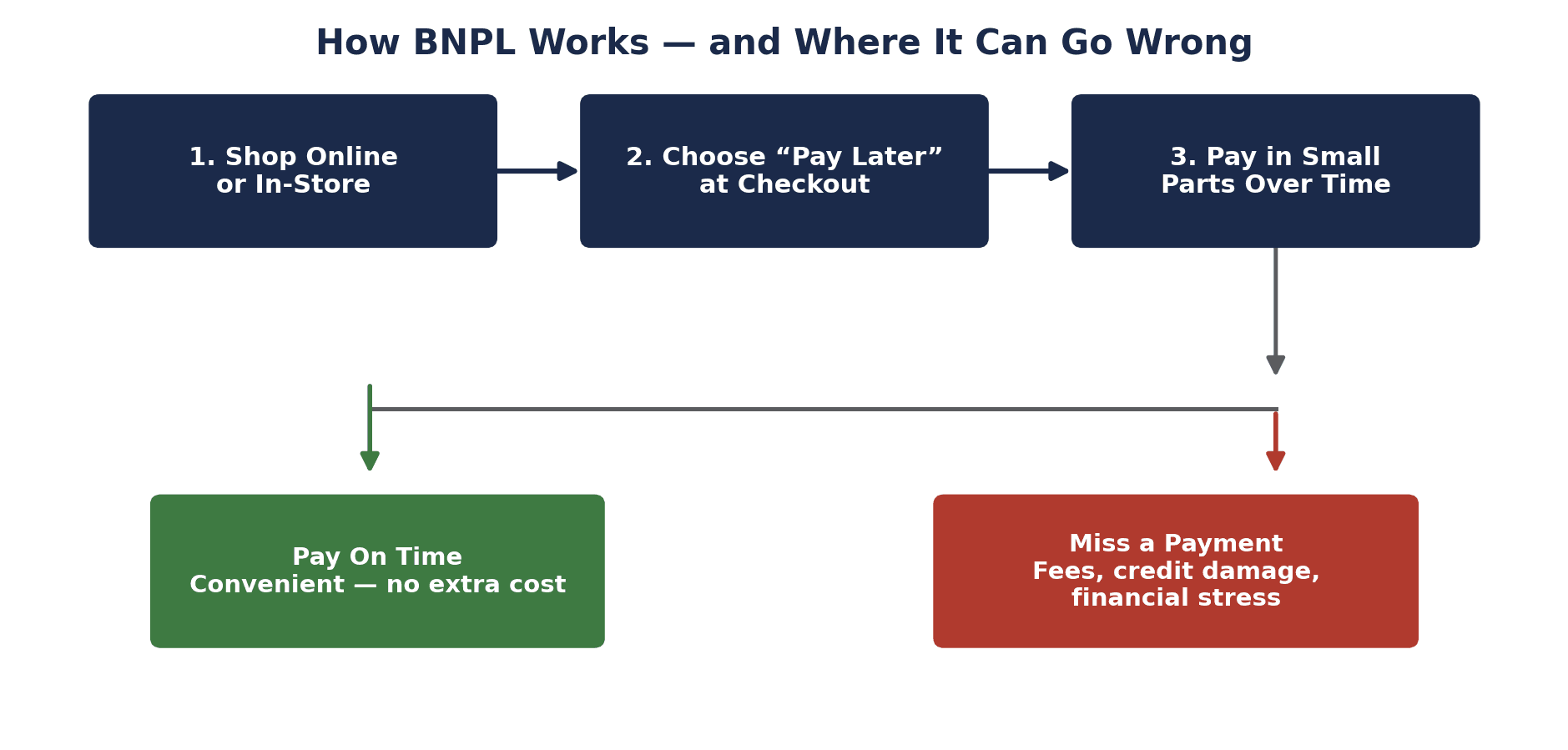
Buy Now, Pay Later — usually called BNPL — lets people buy something today and pay for it in small parts later, often without any extra interest cost. It is very popular with people who shop online, because it makes things feel cheaper and easier to buy right away. But for some people, BNPL also brings worry about money and debt.
This project asks a simple question: does BNPL really help people manage their money better, or does it quietly cause more financial stress than people realise? It looks at the feelings, habits, and real money outcomes of BNPL users together, instead of studying each one on its own.
Approach and Methodology
The project starts from a 2025 study on BNPL by Namrata Singh, Sangeeta Sahni, and Shruti Sharma, which looked at how BNPL changes the way people shop, feel, and make money decisions. Building on that study, this project points out a gap: most research looks at feelings, thinking, and money separately, instead of looking at all three together. That makes it hard to know the full effect of BNPL on how people borrow and how stressed they feel about money.
This gap matters most in Indian cities, where more and more people are using BNPL for everyday shopping. BNPL can feel easy and cheap at the moment of buying — but it is not always clear if that good feeling matches what actually happens to a person's money later on.
To study this properly, the project asks two clear questions: first, how do feelings, thinking habits, and money situations work together to affect how BNPL users feel about their overall finances; and second, how different are people's fears about BNPL from what actually happens to their money in real life. The people studied are mainly students, young adults, and working professionals — the groups most likely to use digital payments and BNPL in daily life.
Proposal / Outcome
The project's answer is that no single group can fix BNPL's problems alone — it needs consumers, BNPL companies, banks, and government rules working together. BNPL is useful and convenient, but people also need better protection so it does not lead to too much debt or stress.
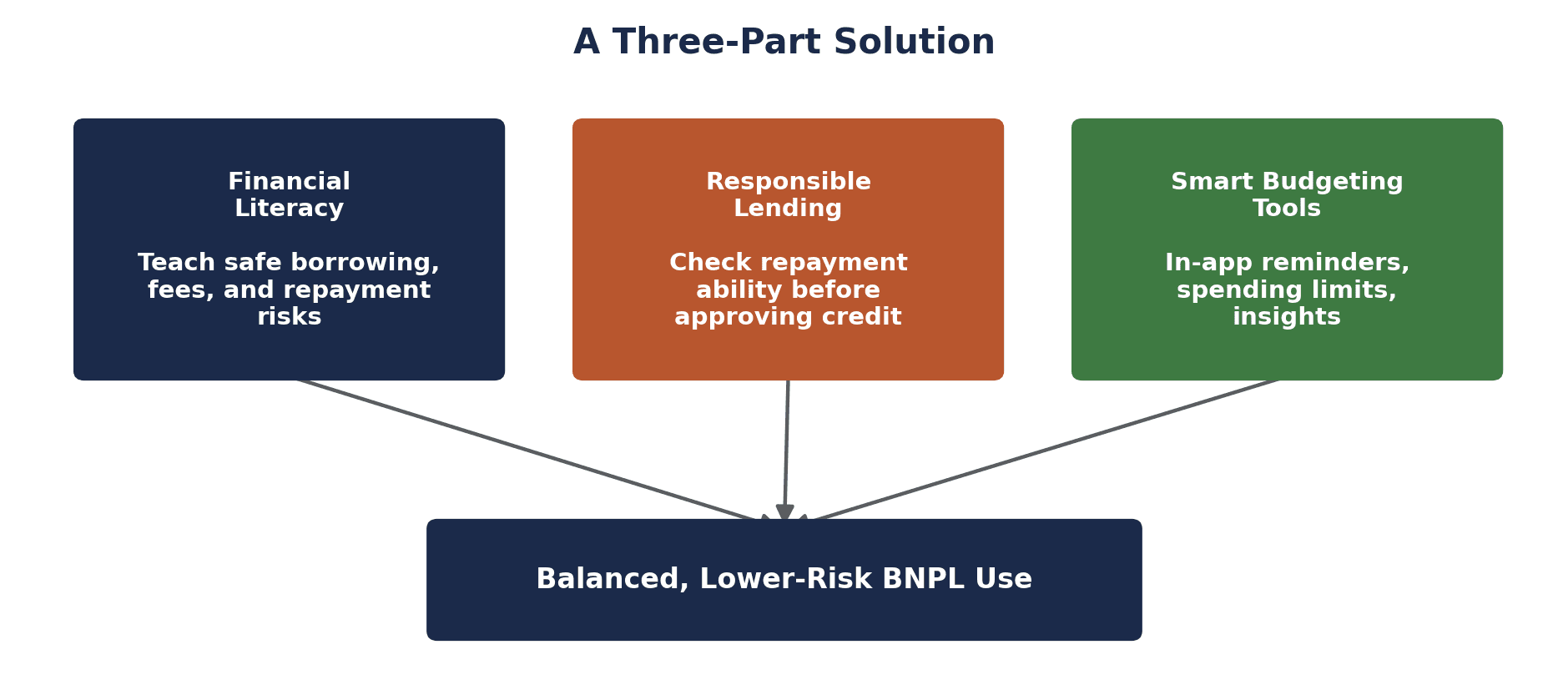
Three ideas are put forward. First, teach people — especially students and young workers — about safe borrowing, what they must repay, any hidden fees, and how missing a payment can hurt their credit record. Schools, banks, and BNPL companies can run simple awareness programs to help with this.
Second, BNPL companies should lend more carefully — checking whether a person can actually afford to repay before giving them credit, instead of approving almost everyone. Third, BNPL apps should include simple money tools, such as reminders before a payment is due, a running total of what is owed, and personal spending limits, so people are less likely to overspend by accident.
Beyond Outcomes
The project's overall message is hopeful but careful: BNPL can be a genuinely useful money tool when people understand it and use it wisely. But without proper education and fairer lending rules, it can quietly create money problems for many users, especially younger ones who are new to credit.
Looking ahead, the project argues that better education, fairer lending, smarter apps, and stronger rules can work together so people get the convenience of BNPL without the hidden risk of financial stress.
About me
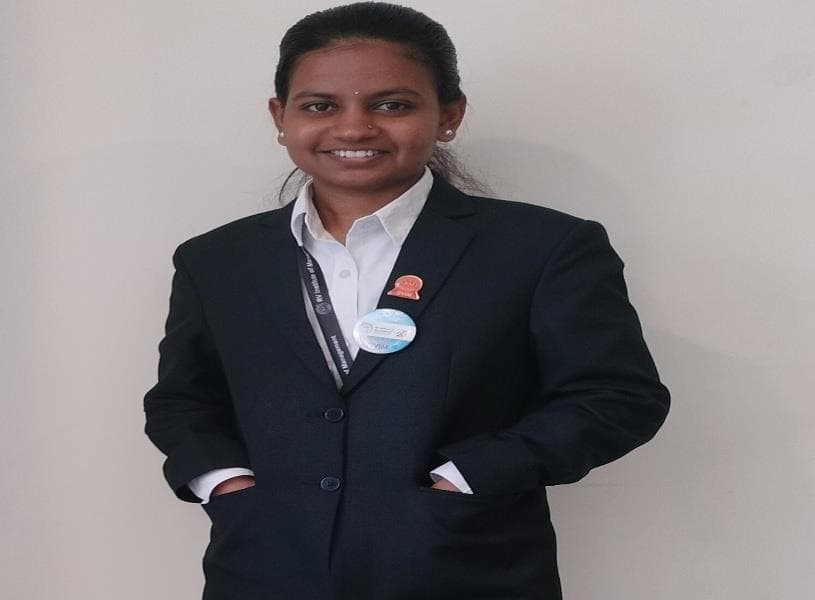
Veena Y Amblikoppa
MBA, RV Institute of Management, Bengaluru
My name is Veena Y Amblikoppa. I am currently pursuing an MBA at RV Institute of Management, Bengaluru. I am interested in Finance and HRM, and I am a quick learner who always enjoys developing new skills. My short-term goal is to get a good job in a company. Experience: Volunteer, Vara Foundations NGO — I support community outreach programs focused on education and social awareness, and I have helped organise and coordinate volunteer-driven activities.
Other Related Projects
← Back to the repository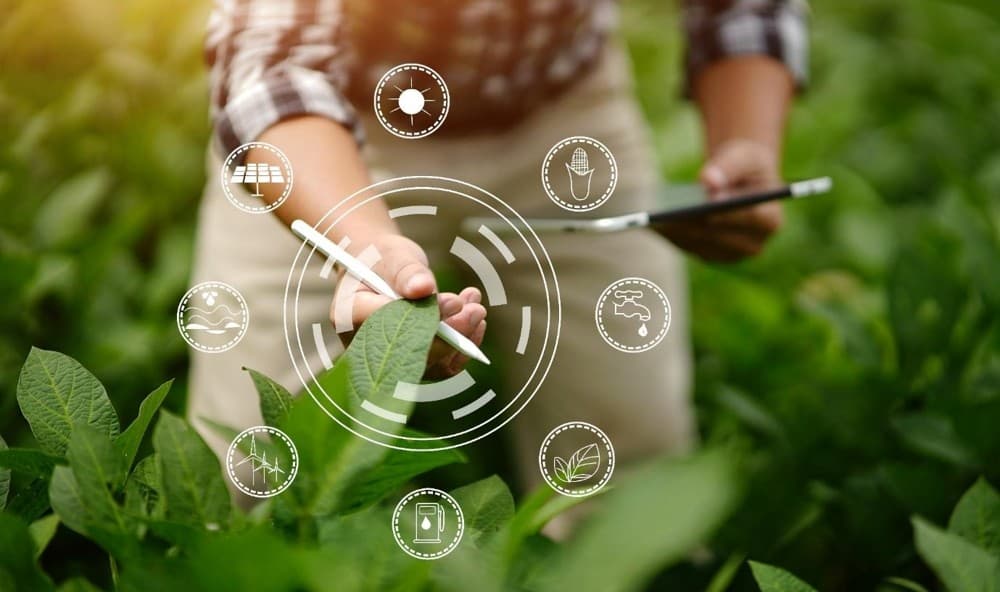
AgriGuard — How Can a Smart Agriculture Support System Help Farmers Manage Unpredictable Weather?
Farmers depend heavily on the weather for cultivation, yet sudden rainfall, droughts, floods, and extreme temperatures regularly damage crops and cut into their income. This project, developed during the PitchX Programme, asks how a combination of storage infrastructure and digital support could help farmers absorb these shocks and manage their land more effectively. The proposed response is a Smart Agriculture Support System: low-cost warehouse facilities paired with weather alerts, irrigation guidance, market price information, training, and access to government schemes — addressing storage and information gaps side by side rather than treating them separately.
#Agriculture#Sustainability#Technology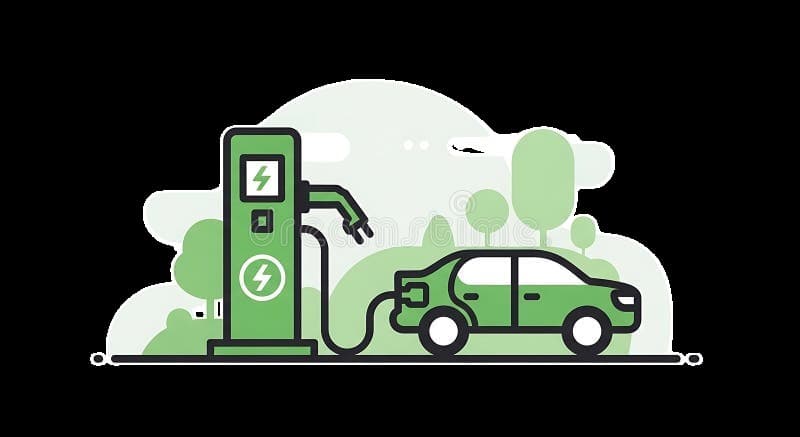
E-Hub — How Can a Smart Hub Solve India's EV Charging Bottleneck?
India's transportation sector is shifting rapidly toward electric vehicles, but charging infrastructure has not kept pace — leaving EV users with limited stations, long waits, and few nearby services. This project proposes E-Hub, a smart electric vehicle charging and service center that combines fast charging, maintenance, digital payments, real-time charger availability, and customer amenities in a single location. By integrating renewable energy sources such as solar power with modern charging technology, E-Hub is designed to make EV charging more convenient, reliable, and sustainable — supporting clean transportation and a future-ready charging ecosystem.
#Clean Energy#Technology#Mobility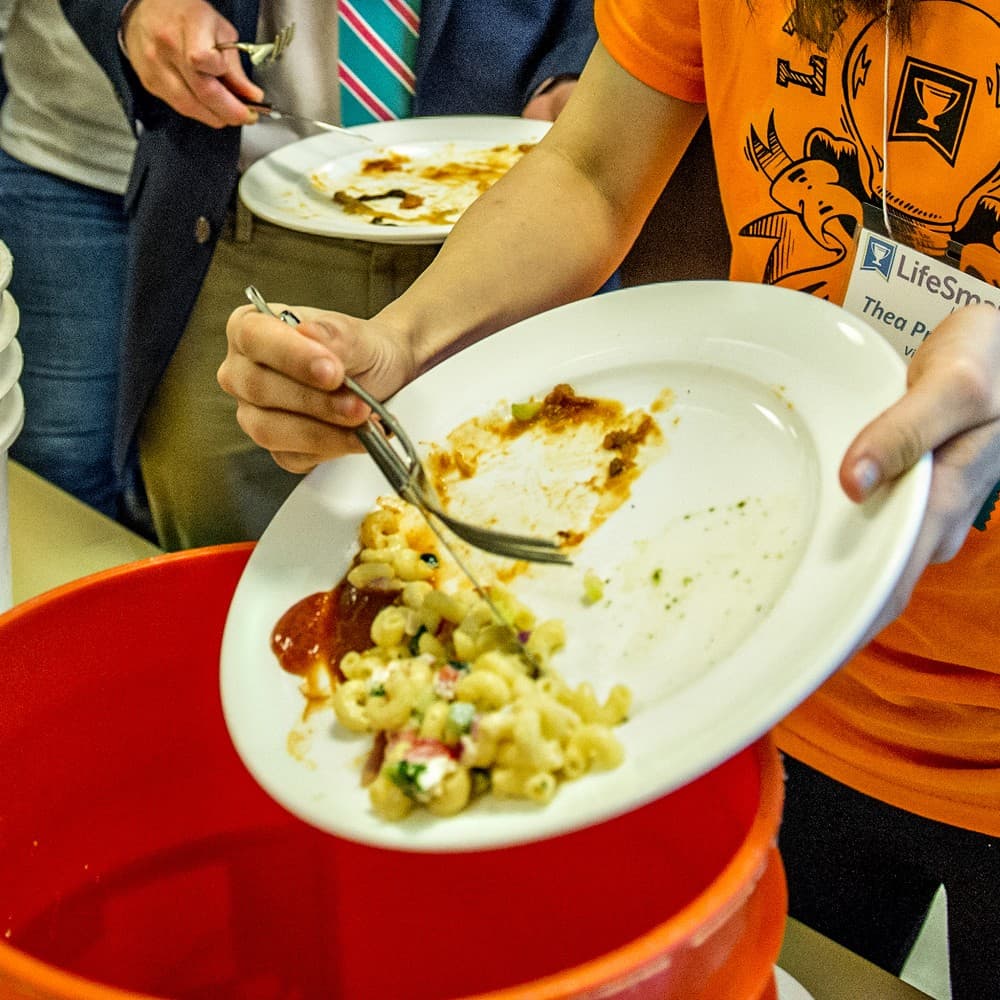
MessWise — Why Is So Much Food Wasted Daily in Colleges and Institutions?
This project asks why so much food is wasted every day in colleges and institutions, and what can realistically be done about it. Rather than treating waste as a single problem, it traces the issue back through its causes — overproduction, poor demand estimation, fixed menus, oversized portions, low awareness, food quality, improper storage, and one-off events — and forward through its effects: economic loss, environmental impact, wasted resources, and missed opportunities for redistribution. The central finding is that food waste in institutional canteens is not one person's problem. It sits at the intersection of student behaviour, institutional planning, logistics, and public attitudes — which means any solution has to work across all four groups at once, not just target one of them.
#Sustainability#Food#Education