Welcome to the Repository
Shaping the world — starts here.
Explore student projects that showcase how interdisciplinary approaches are turned and applied to address real-world problems.
Discover Projects
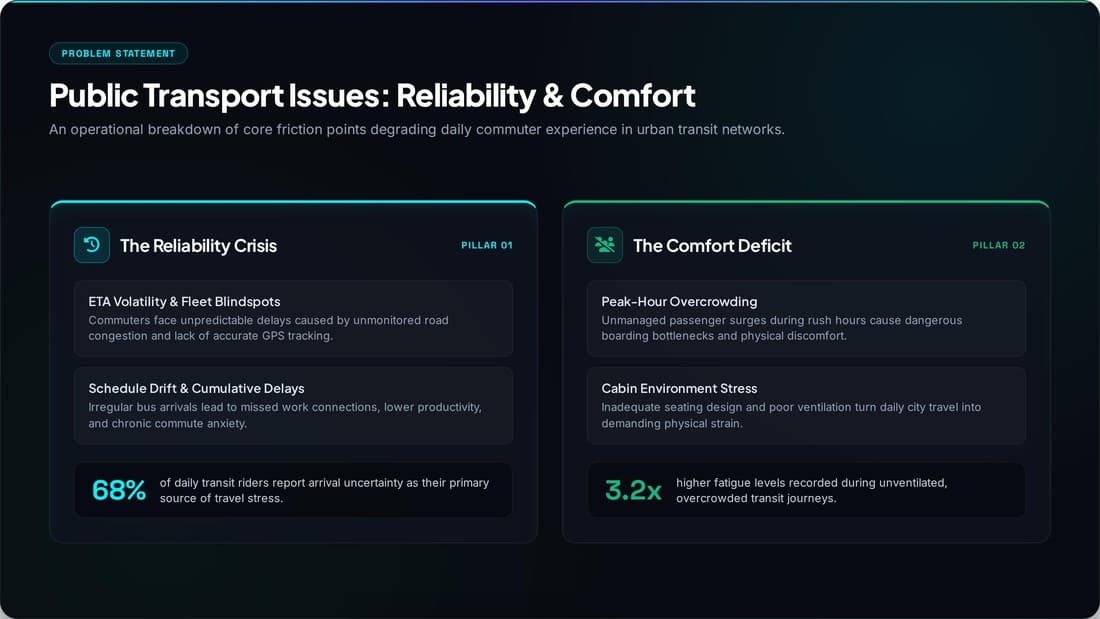
TransitPulse — Can Smart Sensors and Predictive Routing Fix Public Transport's Reliability and Comfort Problems?
This project breaks down daily public transport frustration into two linked problems: a reliability crisis, where riders can't trust when a bus will actually arrive, and a comfort deficit, where the ride itself is overcrowded and physically demanding. It then proposes an Integrated Smart Mobility Framework — a three-part technology system designed to make fleets more predictable and journeys more comfortable at the same time. The case for action is backed by two figures from the research: 68% of daily transit riders report arrival uncertainty as their primary source of travel stress, and commuters record 3.2× higher fatigue levels on unventilated, overcrowded journeys.
Mohammed Maaz
AgriGuard — How Can a Smart Agriculture Support System Help Farmers Manage Unpredictable Weather?
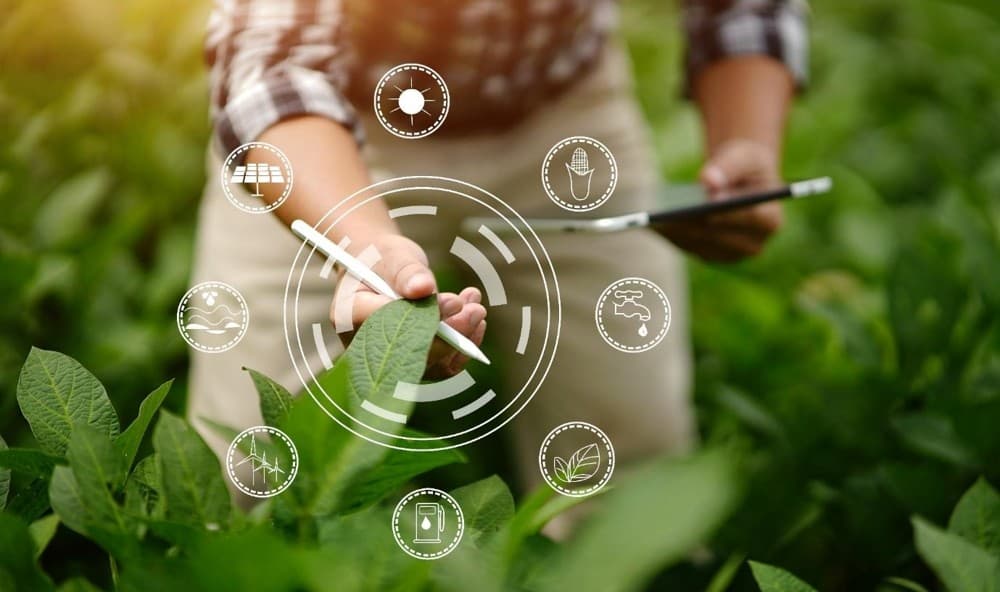
Farmers depend heavily on the weather for cultivation, yet sudden rainfall, droughts, floods, and extreme temperatures regularly damage crops and cut into their income. This project, developed during the PitchX Programme, asks how a combination of storage infrastructure and digital support could help farmers absorb these shocks and manage their land more effectively. The proposed response is a Smart Agriculture Support System: low-cost warehouse facilities paired with weather alerts, irrigation guidance, market price information, training, and access to government schemes — addressing storage and information gaps side by side rather than treating them separately.
Nayana K G
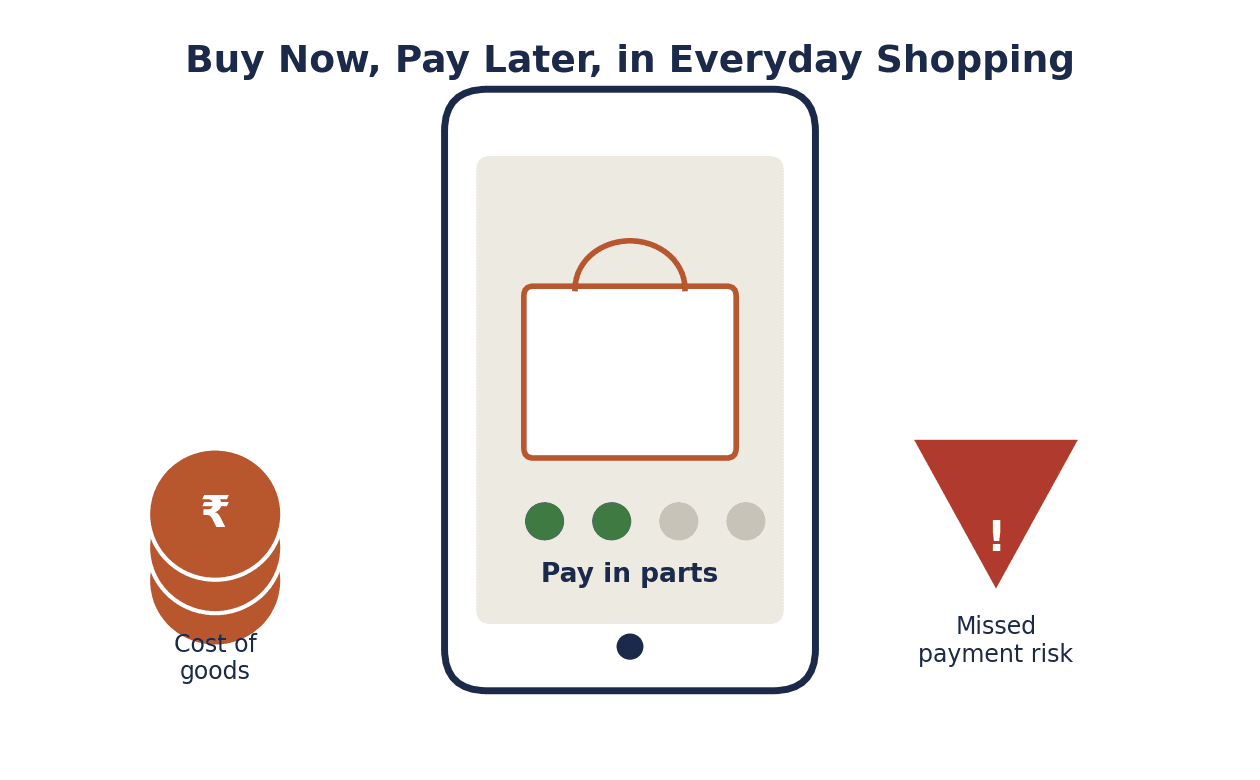
Does Buy Now, Pay Later Help or Hurt People's Money Habits?
Buy Now, Pay Later — usually called BNPL — lets people buy something today and pay for it in small parts later, often without any extra interest cost. It is very popular with people who shop online, because it makes things feel cheaper and easier to buy right away. But for some people, BNPL also brings worry about money and debt. This project asks a simple question: does BNPL really help people manage their money better, or does it quietly cause more financial stress than people realise? It looks at the feelings, habits, and real money outcomes of BNPL users together, instead of studying each one on its own.
Veena Y Amblikoppa
E-Hub — How Can a Smart Hub Solve India's EV Charging Bottleneck?
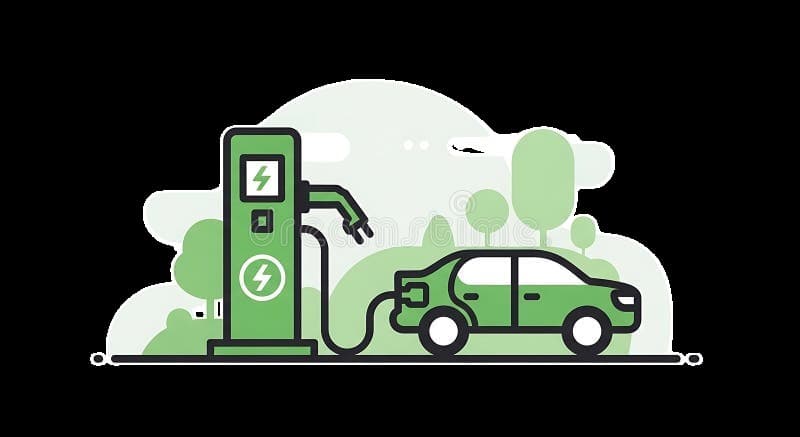
India's transportation sector is shifting rapidly toward electric vehicles, but charging infrastructure has not kept pace — leaving EV users with limited stations, long waits, and few nearby services. This project proposes E-Hub, a smart electric vehicle charging and service center that combines fast charging, maintenance, digital payments, real-time charger availability, and customer amenities in a single location. By integrating renewable energy sources such as solar power with modern charging technology, E-Hub is designed to make EV charging more convenient, reliable, and sustainable — supporting clean transportation and a future-ready charging ecosystem.
Manoj U.
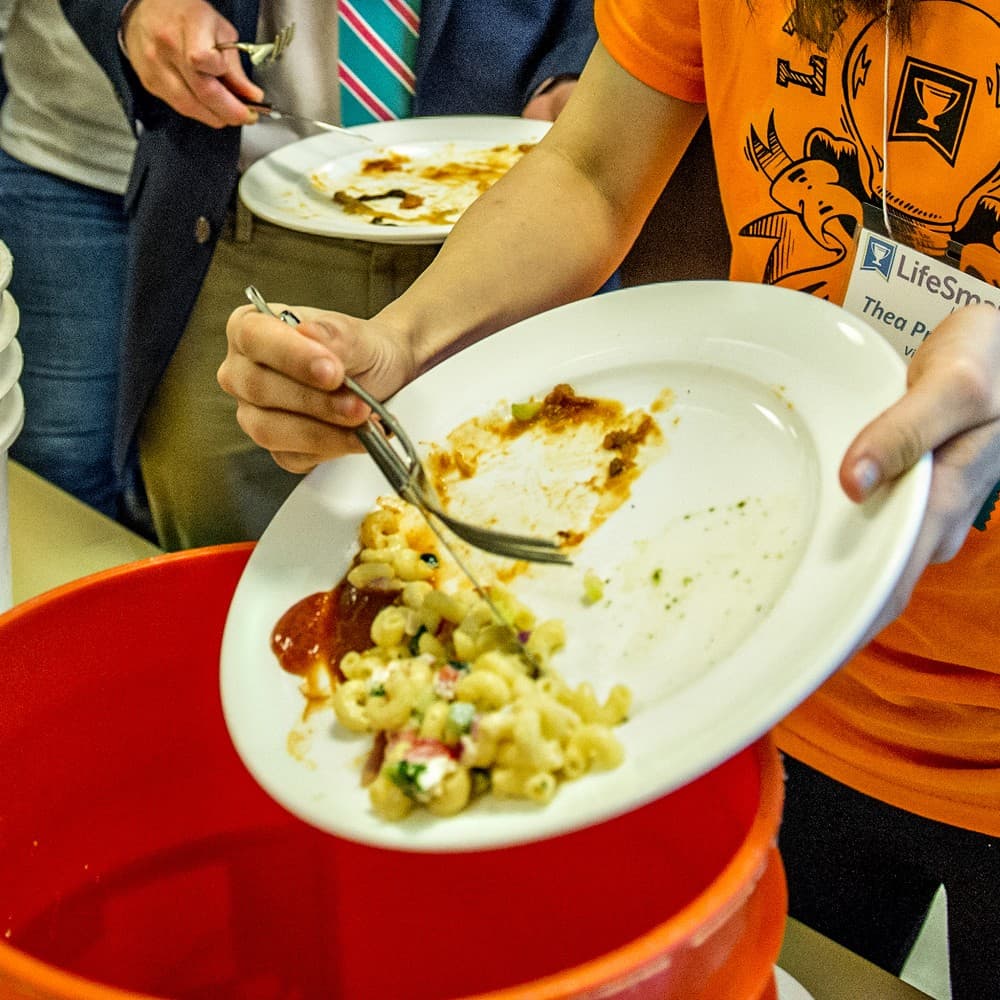
MessWise — Why Is So Much Food Wasted Daily in Colleges and Institutions?
This project asks why so much food is wasted every day in colleges and institutions, and what can realistically be done about it. Rather than treating waste as a single problem, it traces the issue back through its causes — overproduction, poor demand estimation, fixed menus, oversized portions, low awareness, food quality, improper storage, and one-off events — and forward through its effects: economic loss, environmental impact, wasted resources, and missed opportunities for redistribution. The central finding is that food waste in institutional canteens is not one person's problem. It sits at the intersection of student behaviour, institutional planning, logistics, and public attitudes — which means any solution has to work across all four groups at once, not just target one of them.
Tejaswini S
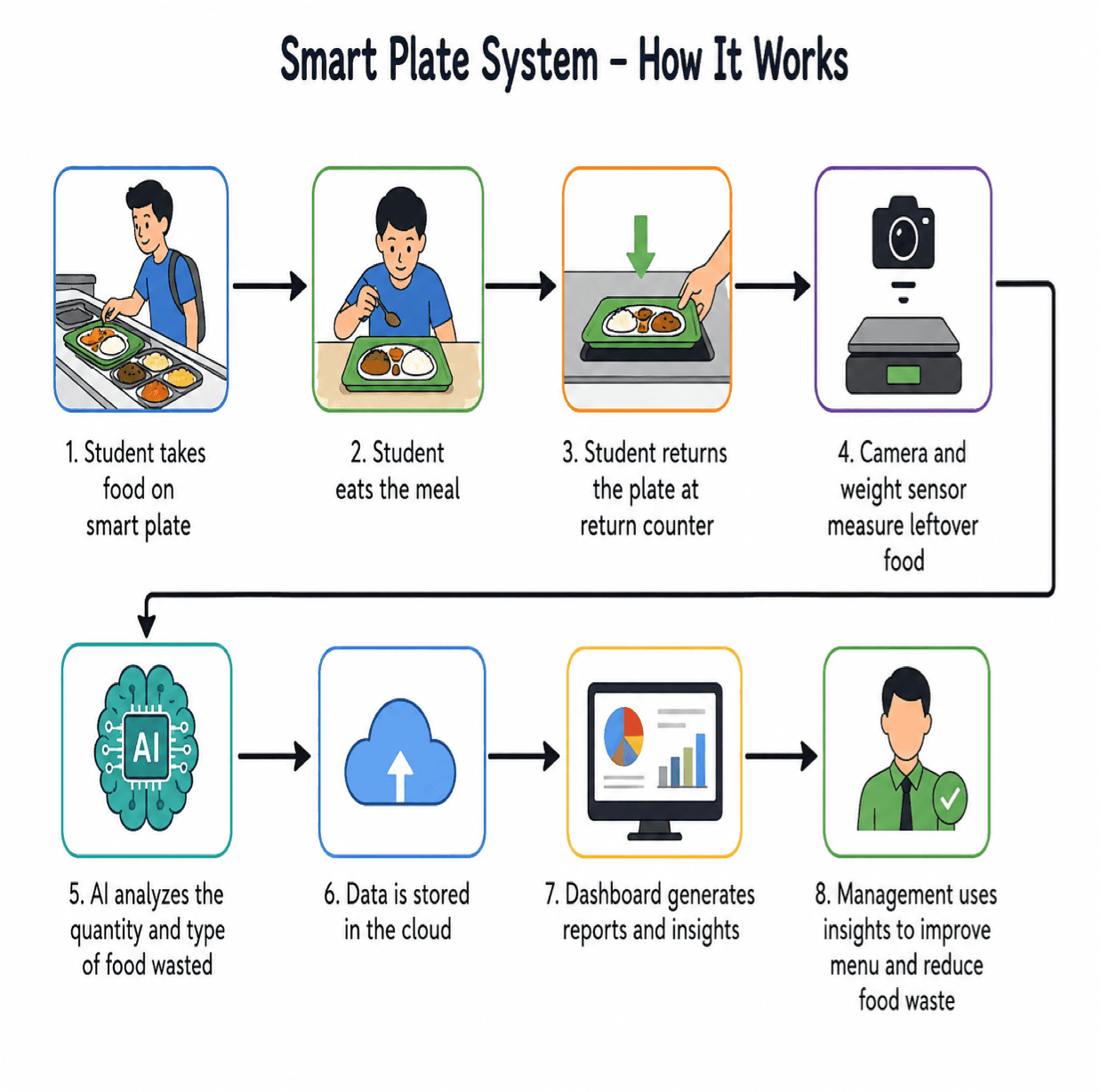
PlateWise — How Can a Smart Plate System Reduce Food Waste in College Canteens?
Working independently during the PitchX Programme, Thanushree D and Sangeetha J arrived at the same core idea: a Smart Plate System that uses weight sensors, AI, and a mobile app to monitor food served, consumed, and wasted in real time in school and college canteens. This showcase brings their two projects together, since both diagnose the same problem and propose essentially the same technology answer to it. Two independent teams reaching the same design is itself a useful signal — it suggests the Smart Plate concept addresses a need that canteen users and observers recognise consistently, not just a one-off idea. Together, their work gives a fuller picture: Thanushree's project details the system's features and process flow, while Sangeetha's names the specific problems it targets and the benefits it is expected to deliver.
Thanushree D & Sangeetha J