Tejaswini S · MBA — Year 1, PES College of Engineering, Mandya
MessWise — Why Is So Much Food Wasted Daily in Colleges and Institutions?
Summary
Methods
Disciplinary perspectives
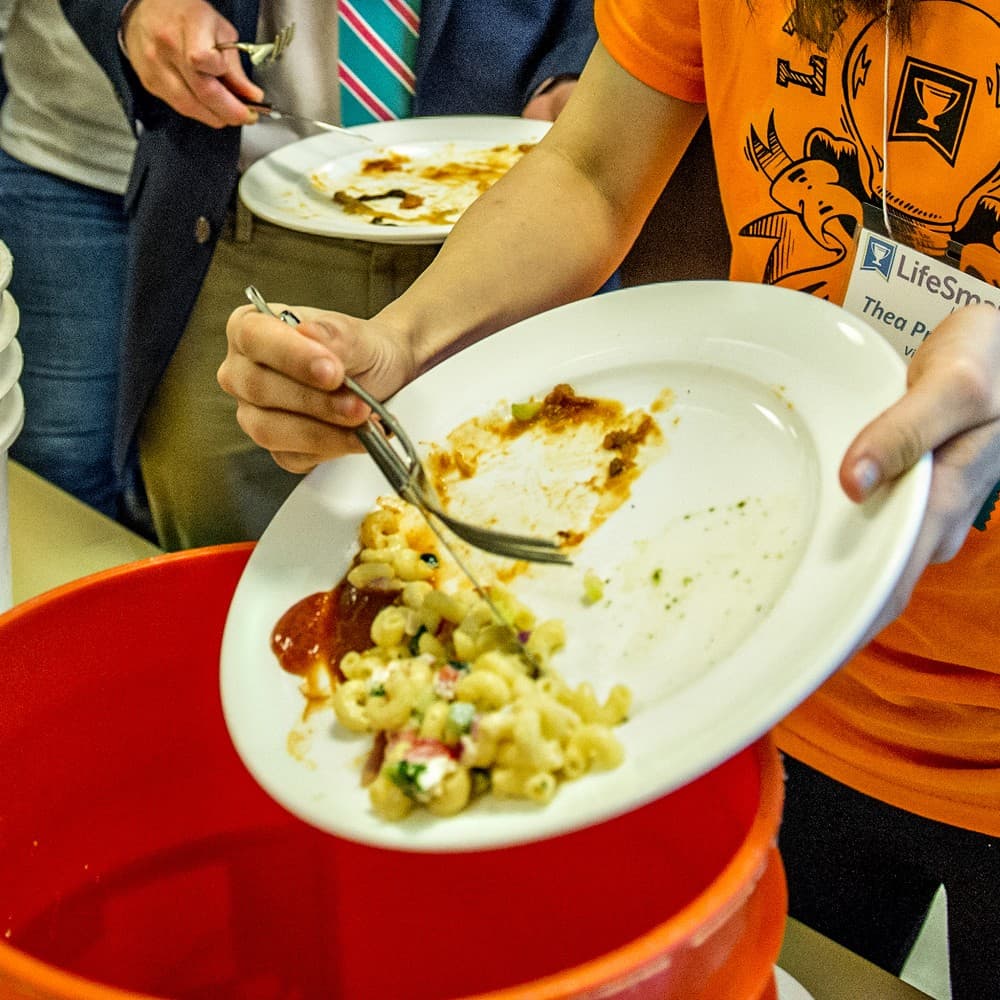
This project asks why so much food is wasted every day in colleges and institutions, and what can realistically be done about it. Rather than treating waste as a single problem, it traces the issue back through its causes — overproduction, poor demand estimation, fixed menus, oversized portions, low awareness, food quality, improper storage, and one-off events — and forward through its effects: economic loss, environmental impact, wasted resources, and missed opportunities for redistribution.
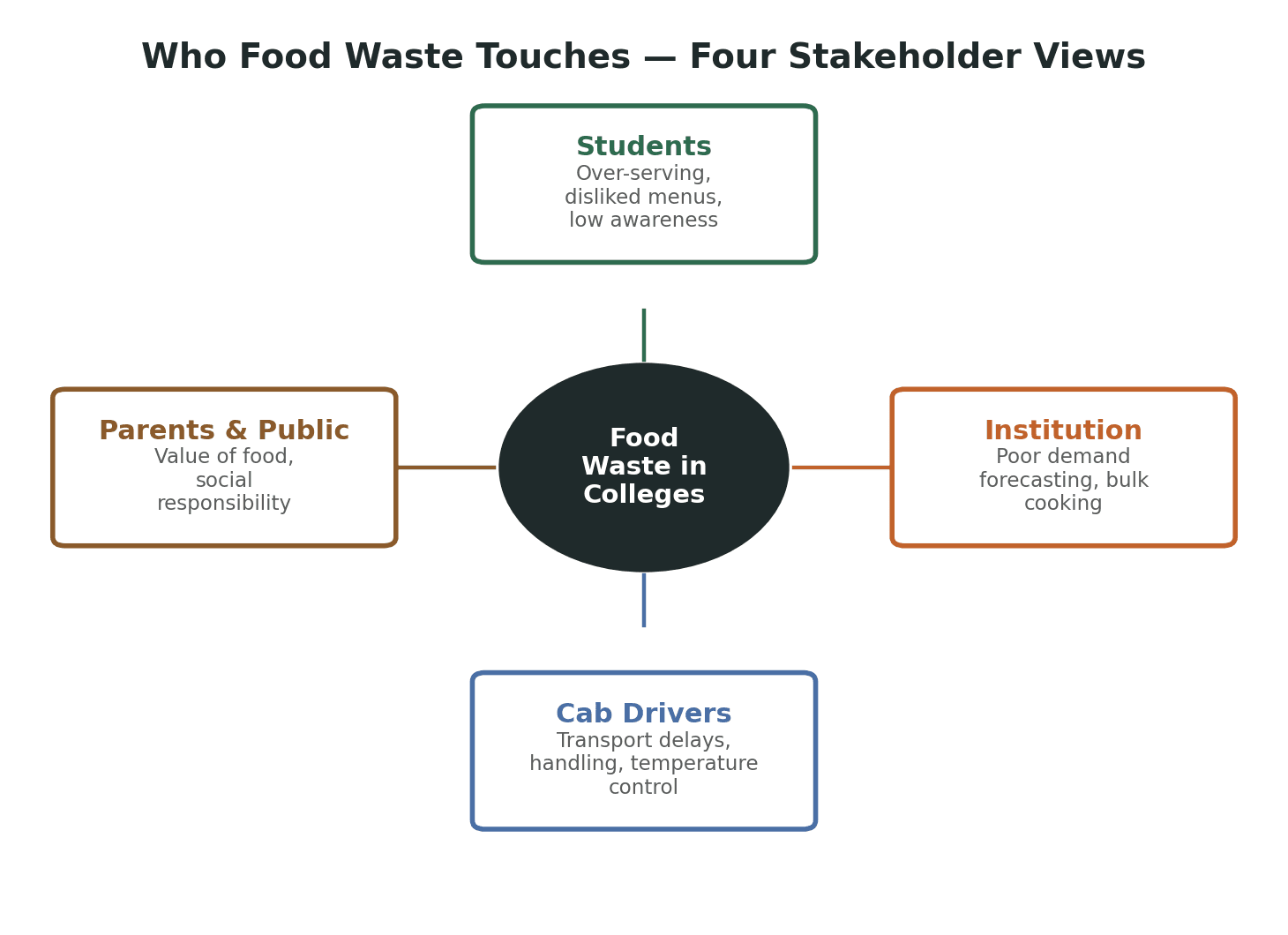
The central finding is that food waste in institutional canteens is not one person's problem. It sits at the intersection of student behaviour, institutional planning, logistics, and public attitudes — which means any solution has to work across all four groups at once, not just target one of them.
Approach and Methodology
The project began by mapping out why food is wasted in college and institutional settings, drawing on published research on food waste in universities alongside direct observation of canteen practice. This produced two linked pictures: the reasons behind the waste (overproduction, poor demand estimation, fixed menus, large portions, low awareness, food quality issues, improper storage, and events) and its downstream effects (economic loss, environmental impact, wasted resources, and missed redistribution opportunities).
From there, the analysis was organised around the different groups with a stake in the problem, rather than around the institution alone. Four stakeholder perspectives were examined in turn: Students — take more food than they eat, dislike the menu on offer, have busy schedules that clash with mealtimes, bring in outside food, and are often simply unaware of the impact. Institution — struggles with demand forecasting, relies on bulk cooking, has limited flexibility in its menus, and must balance monitoring with food safety rules. Cab drivers — affect food quality and timing through transport delays, handling, temperature control, coordination, and cancellations, where food is sourced or delivered off-site. Parents and the public — bring concerns about the value of food, discipline, hunger elsewhere, and a broader sense of social responsibility.
Viewing the problem through each of these perspectives in turn made it possible to see food waste as a systems issue rather than a discipline problem — one that needed a response addressed to all four groups, not a rule aimed only at students.
Proposal / Outcome
The resulting recommendations are deliberately practical rather than technological. Institutions should plan meals more accurately and forecast demand rather than defaulting to bulk cooking, serve appropriately sized portions instead of a single fixed size for everyone, and build awareness campaigns so students understand the cost and impact of what they leave on their plate.
Where waste does occur, the project argues it should be treated as a resource rather than rubbish: safe surplus food should be redirected through donation rather than discarded, and canteens should follow proper food waste management practices — separating, tracking, and disposing of what genuinely cannot be reused.
Taken together, these recommendations reframe food waste reduction as a design problem for the whole system — forecasting, portioning, awareness, and redistribution — rather than a discipline or compliance issue for any single stakeholder group.
Beyond Outcomes
The project's conclusion is that reducing food wastage in colleges is not something any one group can solve alone. It requires the joint effort of students, institutions, parents, and the public working together, each addressing the part of the problem within their control — from portion choices at the serving line to procurement decisions in the kitchen.
Framed this way, saving food is not only about avoiding waste on any given day: it protects resources, reduces costs, and supports a more sustainable and socially responsible institution over time.
About me

Tejaswini S
MBA — Year 1, PES College of Engineering, Mandya
I'm Tejaswini S, a first-year MBA student at PES College of Engineering, Mandya. My areas of interest span Marketing, Business Analytics, Human Resource Management, and Finance, and I bring skills in communication, teamwork, MS Office, and presentation to my project work. My career objective is to apply my management knowledge and practical skills to contribute to organisational growth, while continuously learning and developing professionally.
Other Related Projects
← Back to the repository
AgriGuard — How Can a Smart Agriculture Support System Help Farmers Manage Unpredictable Weather?
Farmers depend heavily on the weather for cultivation, yet sudden rainfall, droughts, floods, and extreme temperatures regularly damage crops and cut into their income. This project, developed during the PitchX Programme, asks how a combination of storage infrastructure and digital support could help farmers absorb these shocks and manage their land more effectively. The proposed response is a Smart Agriculture Support System: low-cost warehouse facilities paired with weather alerts, irrigation guidance, market price information, training, and access to government schemes — addressing storage and information gaps side by side rather than treating them separately.
#Agriculture#Sustainability#Technology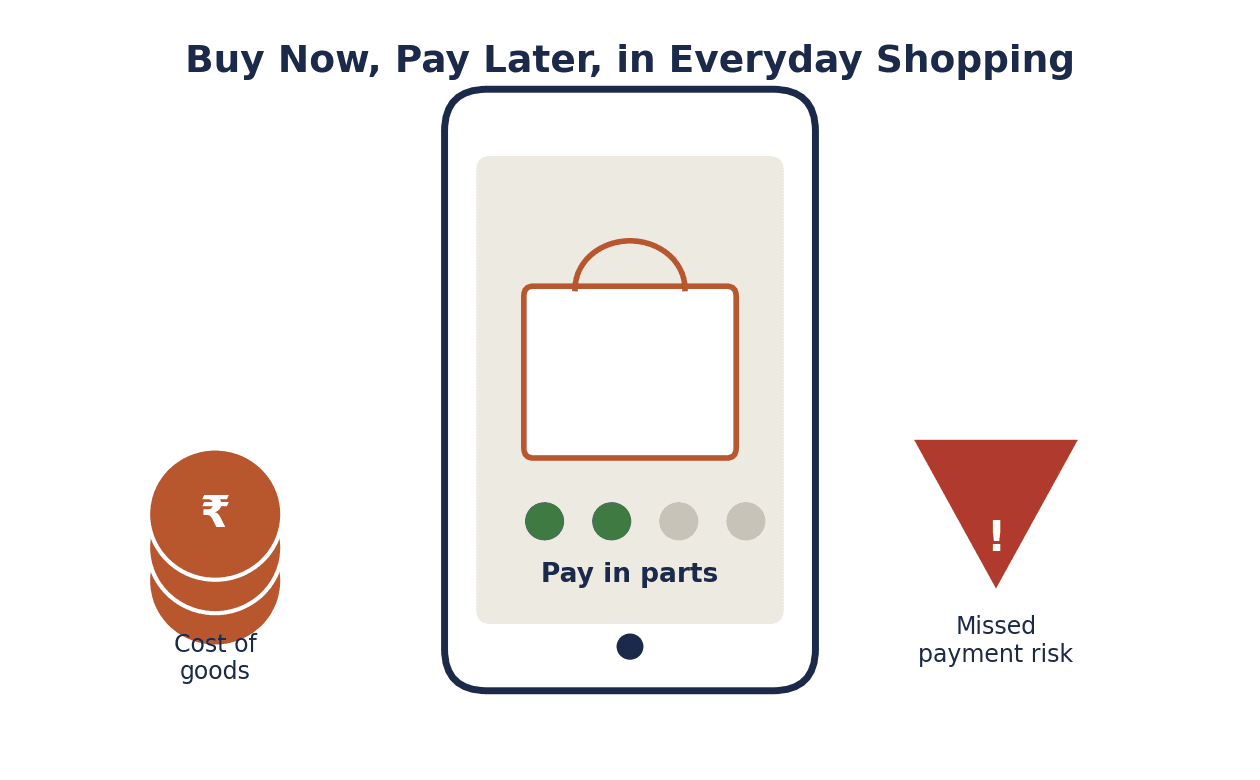
Does Buy Now, Pay Later Help or Hurt People's Money Habits?
Buy Now, Pay Later — usually called BNPL — lets people buy something today and pay for it in small parts later, often without any extra interest cost. It is very popular with people who shop online, because it makes things feel cheaper and easier to buy right away. But for some people, BNPL also brings worry about money and debt. This project asks a simple question: does BNPL really help people manage their money better, or does it quietly cause more financial stress than people realise? It looks at the feelings, habits, and real money outcomes of BNPL users together, instead of studying each one on its own.
#Finance#Consumer Behaviour#Digital Payments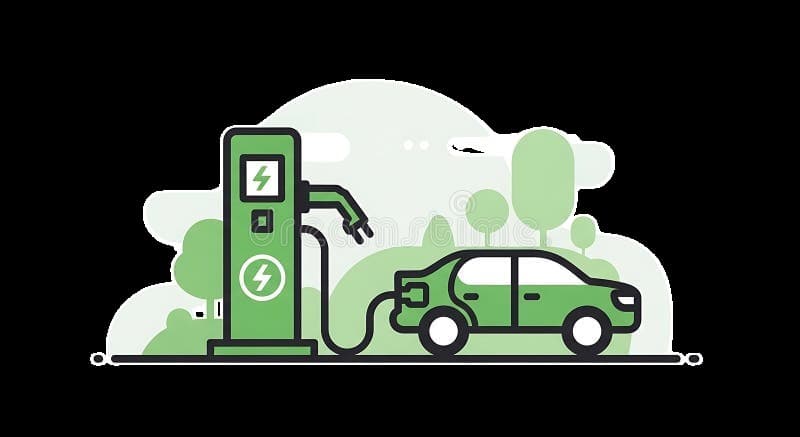
E-Hub — How Can a Smart Hub Solve India's EV Charging Bottleneck?
India's transportation sector is shifting rapidly toward electric vehicles, but charging infrastructure has not kept pace — leaving EV users with limited stations, long waits, and few nearby services. This project proposes E-Hub, a smart electric vehicle charging and service center that combines fast charging, maintenance, digital payments, real-time charger availability, and customer amenities in a single location. By integrating renewable energy sources such as solar power with modern charging technology, E-Hub is designed to make EV charging more convenient, reliable, and sustainable — supporting clean transportation and a future-ready charging ecosystem.
#Clean Energy#Technology#Mobility